

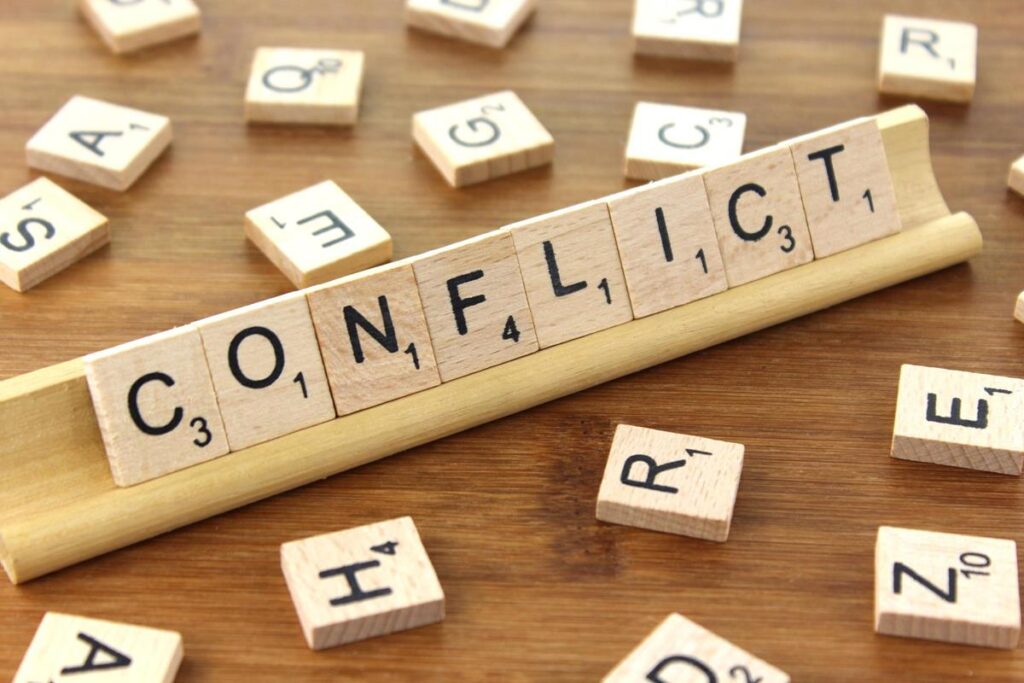
Conflict in emergency medicine: A systematic review
The emergency department (ED) is a demanding and time-pressured environment where doctors must navigate numerous…

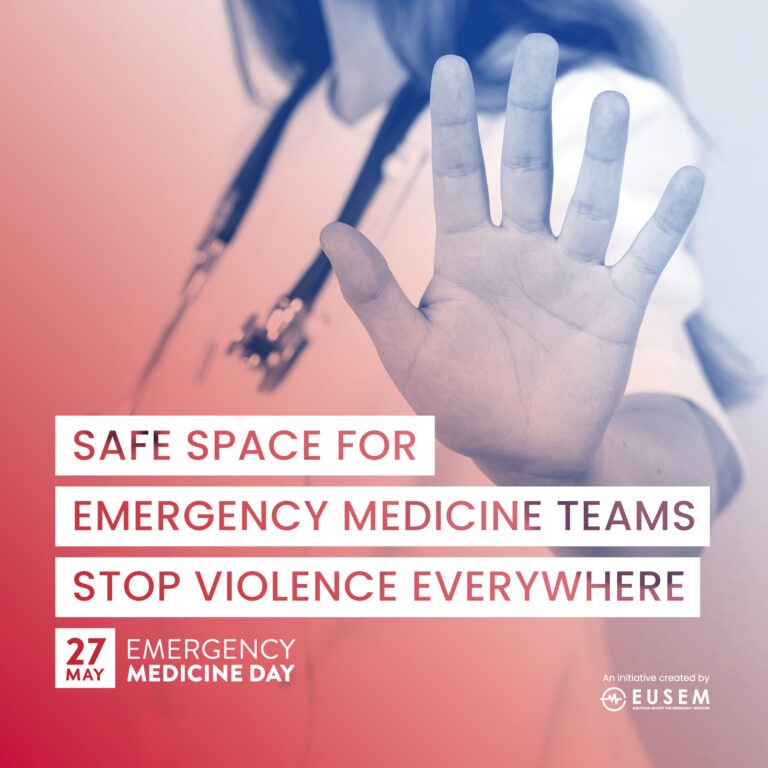
A day when we raise our voices for all those who stand on the front line every single day — in the hardest moments, in the most unpredictable situations, fighting for every life.
This year, our message is clear and powerful:
Emergency medicine teams work in high‑risk environments, under pressure, emotion, and uncertainty. Despite everything, they remain a pillar of safety for all of us. But for them to be there for us — we must be there for them.
Violence against healthcare workers is not an incident. It is not an exception. It is not “part of the job.” It is a global problem, recognized on the official Emergency Medicine Day platform, with a strong focus on the challenges, risks, and solutions needed to protect emergency medicine professionals.
That is why on May 27 we send a message that must be heard everywhere:
Zero tolerance for violence. Zero tolerance for threats. Zero tolerance for intimidation.
Emergency medicine must be a safe space — for patients, for families, but above all, for the teams who provide care.
Today, we honor them: Doctors, nurses, technicians, dispatchers, drivers, ambulance crews — everyone who keeps emergency medical services running 24/7.
Today we stand with them. Today we speak on their behalf. Today we demand change.
…………………………………………………………………………………………………………………………………………………………………………………….
Dear colleagues,
The Presidency of Serbian Society of Emergency Physicians at its regular meeting on January 26, 2026. unanimously adopted the new definition of emergency medicine specialization proposed and adopted by EUSEM. The new definition is:
Emergency Medicine is a primary specialty established using the knowledge and skills required for the prevention1 diagnosis and management2 of urgent and emergency aspects of illness and injury, affecting patients of all age groups with a full spectrum of undifferentiated physical and behavioral disorders.
This includes organizing the proper medical response for patients looking for urgent medical care.
Time and timing in this setting may be critical either from a medical or from the patient’s point of view.
The practice of Emergency Medicine3 encompasses the in-hospital as well as out-of-hospital4 triage, resuscitation, initial assessment, telemedicine and the management of undifferentiated urgent and emergency patients until discharge or transfer to the care of another health care professional.
1 Prevention: also includes injury prevention, preparedness for disaster, as well as public health education.
2 Management encompasses the local service organization as well as the development of systems to provide EM care.
3 Primarily hospital-based
4 This applies to out-of-hospital emergency care, disasters and includes other urgent medical care systems outside hospitals.
…………………………………………………………………………………………………………………………………………………………………………………….
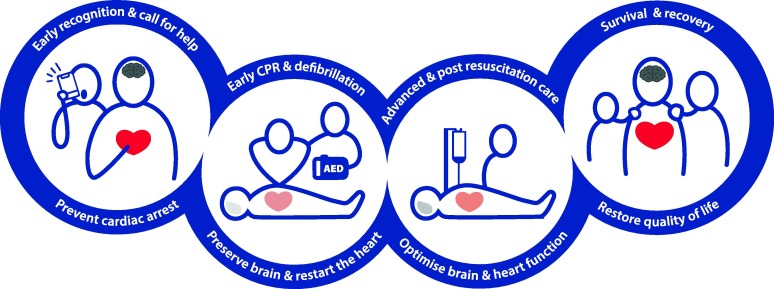
European Resuscitation Council Guidelines 2025
…………………………………………………………………………………………………………………………………………………………………………………….
The emergency department (ED) is a demanding and time-pressured environment where doctors must navigate numerous…
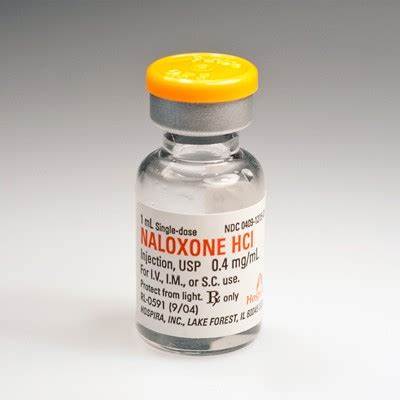
Opioids are effective analgesics, but they can have harmful adverse effects, such as addiction and…

More than half of physicians reported feeling burned out this year and nearly 1 in 4…
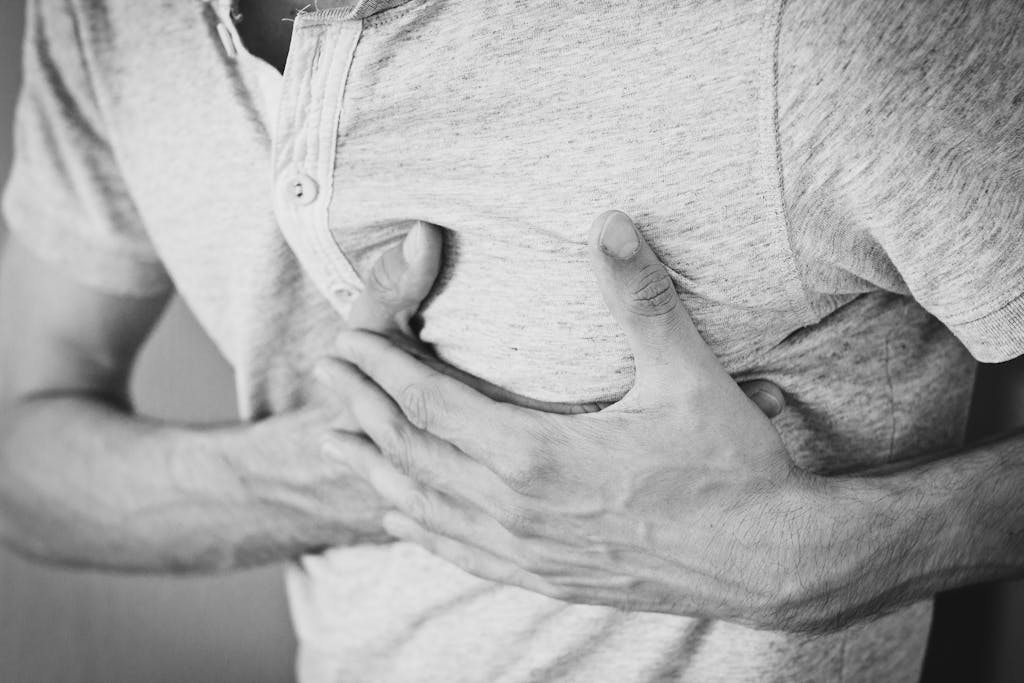
Bol u grudima je drugi vodeći uzrok svih poseta urgentnom centru kod odraslih u Sjedinjenim…
Books/Articles

Emergency Medicine Journal is an international peer review journal covering pre-hospital and hospital emergency medicine, and critical care. The journal publishes original research, evidence-based reviews and commentaries on resuscitation, trauma, minor injuries, disaster preparedness and response, toxicology, acute medical and paediatric emergencies, diagnostic testing, teaching, clinical operations, decision making and reflections on clinical practice.

Panorama of Emergency Medicine (PoEM) journal is an interdisciplinary peer-reviewed open access scientific journal, with an access to Cochrane summary. The journal is owned by New Health Concept (NHC), a company that provides consultancy, training and publication services related to healthcare. PoEM publishes continuously and is freely available for readers and researchers.
The Most Kissed Girl in The World
For 60 years, we have been teaching resuscitation techniques by practicing CPR on a doll — called Resusci Annie — by applying pressure to her chest and breathing air into her plastic mouth. That doll’s face, it turns out, is not made up. It is based on the face of a teenage girl found dead in the Seine River in Paris at the end of the 19th century whose body was never identified but whose face was captured in a mold, or „death mask“. That unfortunate girl, however, became the most kissed girl in the world

The most kissed girl in the world